
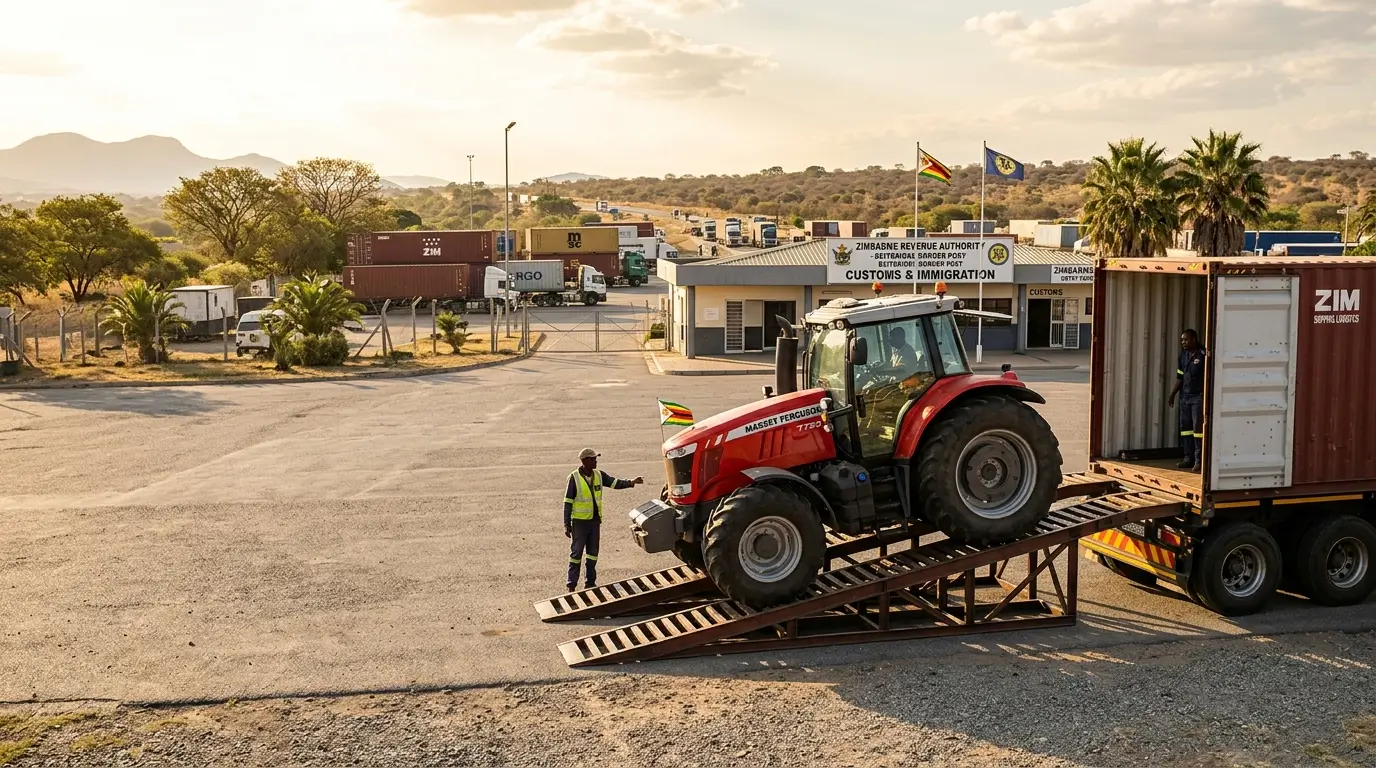
Importing a tractor into Zimbabwe involves registering as an importer, selecting a tractor, clearing customs through ZIMRA, paying duty, and completing local registration. Working with an established dealer like Tractors Zimbabwe Tractors.co.zw can simplify each of these steps, from sourcing the right machine to handling paperwork, making the overall tractor import process in Zimbabwe far less daunting for first-time buyers.
What Are the Steps to Import a Tractor Into Zimbabwe?
Importing a tractor into Zimbabwe generally follows six main steps, from sourcing the equipment to final registration with local authorities. Each step builds on the last, so missing documentation early on can delay the whole process.
- Identify Your Tractor Needs: Determine horsepower, attachments, and intended use (commercial farming, haulage, or construction).
- Source the Tractor: Buy from an overseas supplier directly or through a local importer such as Tractors Zimbabwe, which maintains relationships with international manufacturers.
- Arrange Shipping: Coordinate freight via sea or road transport, depending on the country of origin.
- Clear Customs with ZIMRA: Submit import documentation, including the bill of lading, invoice, and certificate of origin, to the Zimbabwe Revenue Authority (ZIMRA).
- Pay Duties and Taxes: Settle applicable import duty, VAT, and surtax based on the tractor’s value and age.
- Register the Tractor Locally: Complete registration with the Central Vehicle Registry and obtain number plates if required for road use.
How Much Duty Is Charged on Imported Tractors in Zimbabwe?
Import duty on tractors in Zimbabwe varies depending on the tractor’s age, engine capacity, and classification under ZIMRA’s tariff schedule. Agricultural tractors often attract reduced duty rates compared to general-purpose vehicles, reflecting their role in supporting local farming. Buyers should confirm the exact rate with ZIMRA or a customs clearing agent before finalizing a purchase, as rates can change with fiscal policy updates. Factoring duty into your total landed cost early can prevent budget surprises later in the import process.
New vs Used Tractors: Which Should You Import?
New tractors are better suited for buyers prioritizing warranty coverage, the latest technology, and lower maintenance costs over the short term. Used tractors work best for buyers with tighter budgets who are comfortable sourcing parts and arranging independent servicing. New units typically carry higher upfront costs and import duty but reduce the risk of mechanical issues. Used tractors cost less initially but may require more frequent repairs, so it’s worth inspecting engine hours and maintenance history before committing.
Should You Import Directly or Buy Through a Local Dealer?
Direct importing is better suited for buyers who have experience navigating customs and want full control over sourcing, while buying through a local dealer works best for those who want convenience, after-sales support, and local compliance handled for them. Direct importers can sometimes negotiate lower purchase prices but take on the administrative burden of shipping, customs clearance, and duty payment. Dealers like Tractors Zimbabwe handle these processes, often bundling delivery, registration assistance, and servicing support into the purchase.
Frequently Asked Questions
Do I need a special permit to import a tractor into Zimbabwe?
Most agricultural tractors don’t require a special import permit, but buyers should confirm classification with ZIMRA, as rules can differ for used or specialized equipment.
How long does the tractor import process typically take?
Depending on shipping origin and customs processing, the full process can take anywhere from a few weeks to a couple of months.
Can Tractors Zimbabwe help with financing an imported tractor?
Many local dealers, including Tractors Zimbabwe, offer financing options or can connect buyers with lending partners; contact them directly via Tractors.co.zw for current terms.
What documents are required for tractor customs clearance?
Buyers typically need the bill of lading, commercial invoice, certificate of origin, and proof of payment to clear a tractor through ZIMRA.
Is VAT charged in addition to import duty on tractors in Zimbabwe?
Yes, VAT is generally applied on top of import duty and surtax, calculated on the tractor’s dutiable value; buyers should confirm the current rate with ZIMRA before budgeting.
Can I import a tractor into Zimbabwe without using a clearing agent?
It’s possible to self-clear a tractor, but most buyers use a licensed clearing agent or a dealer like Tractors Zimbabwe to reduce the risk of documentation errors and delays.
Tags: agriculture, farming, machinery, spare parts, tractors, zimbabwe